Eizo Tanaka
Tanaka initially trained as a stage actor in the shingeki movement under Kaoru Osanai, but eventually joined the Nikkatsu film studio in 1917. He debuted as a director in 1918 but mostly had to work with shinpa stories, not the shingeki...
Biography
Tanaka initially trained as a stage actor in the shingeki movement under Kaoru Osanai, but eventually joined the Nikkatsu film studio in 1917. He debuted as a director in 1918 but mostly had to work with shinpa stories, not the shingeki techniques he was used to although two early films, The Living Corpse (Ikeru shikabane) and The Cherry Orchard (Sakura no sono) were based on Tolstoy and Chekhov respectively.[3] Working in parallel with the Pure Film Movement, Tanaka made two films, Kyōya eirimise (1922) and Dokuro no mai (1923), based on his own screenplays, that were highly praised for their cinematic technique.[1] He remained a rather conservative filmmaker and still used oyama (male actors) in female roles, including in his masterpiece Kyōya eirimise, a melodrama about a merchant's destructive love for a geisha. He used actresses for the first time in Dokuro no mai, a story of a monk reminiscing about his youth and early loves.
Known for
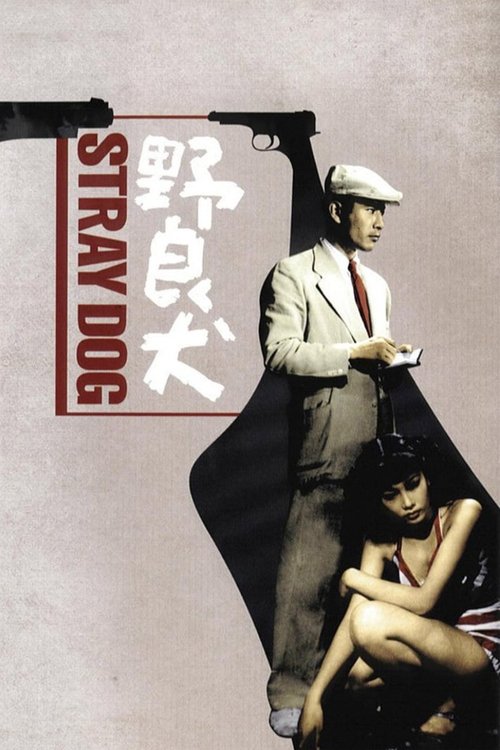 Stray Dog1949 · Old Doctor3.8ActuallyLike
 The Wild Geese1953 · Zenkichi3.3
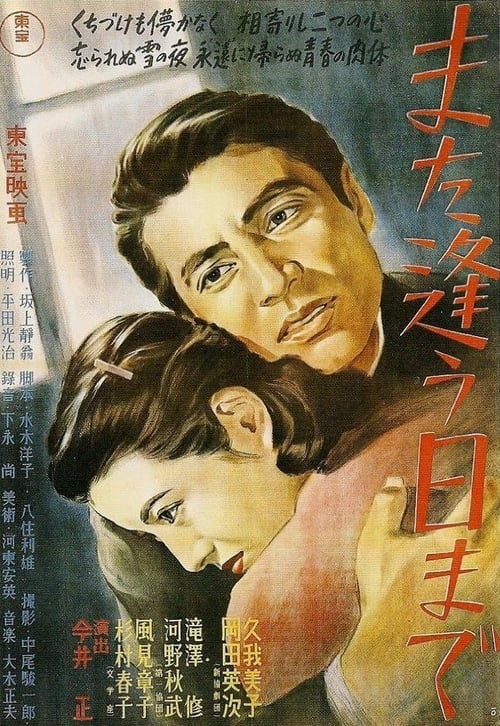 Till We Meet Again1950 · Cast3.4
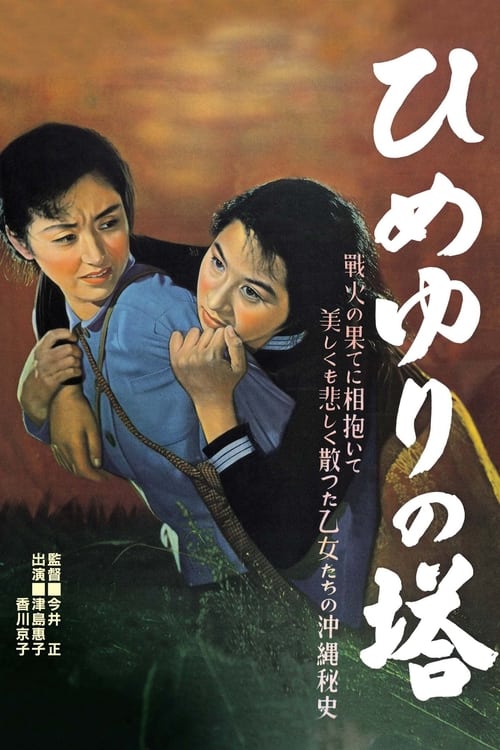 Tower of Lilies1953 · Cast3.4
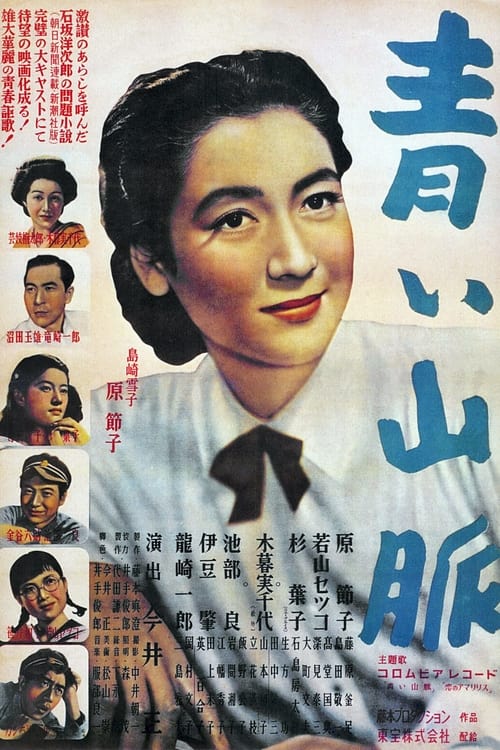 The Blue Mountains: Part I1949 · Principal Takeda3.2
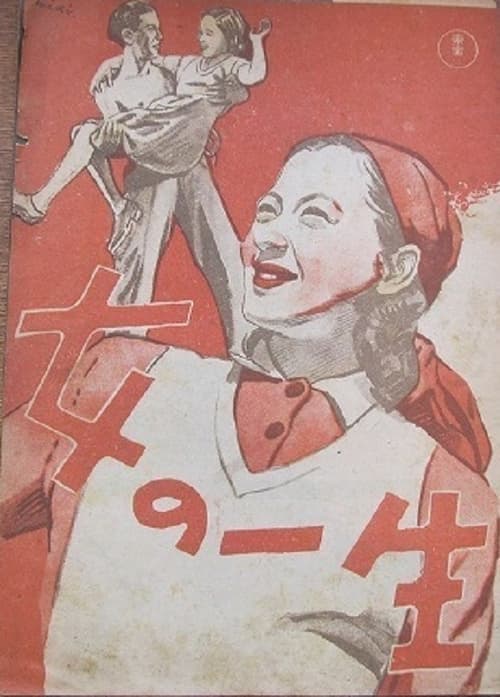 A Woman's Life1949 · Cast4.5
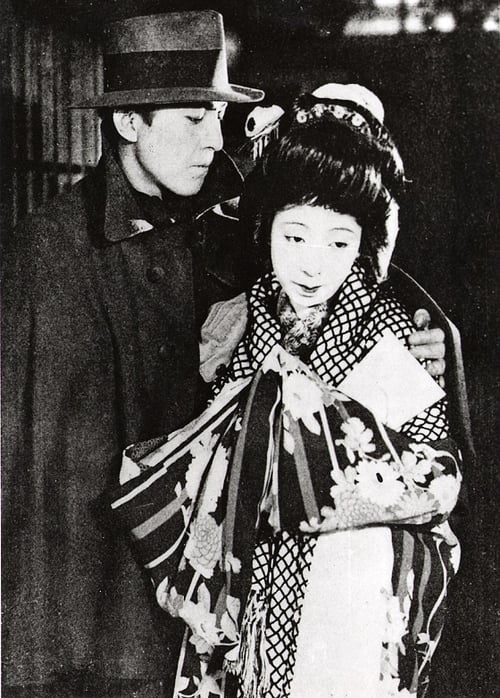 A Paper Doll's Whisper of Spring1926 · Screenplay4.0
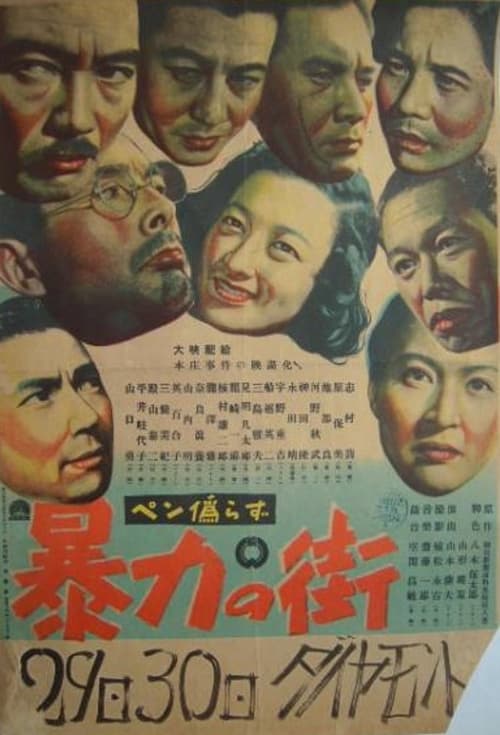 Town of Violence1950 · Hardware dealer3.3
Cast credits
Crew credits
A Paper Doll's Whisper of Spring1926 · Screenplay4.0BBefore the Morning Sun Shines1921 · Director0.5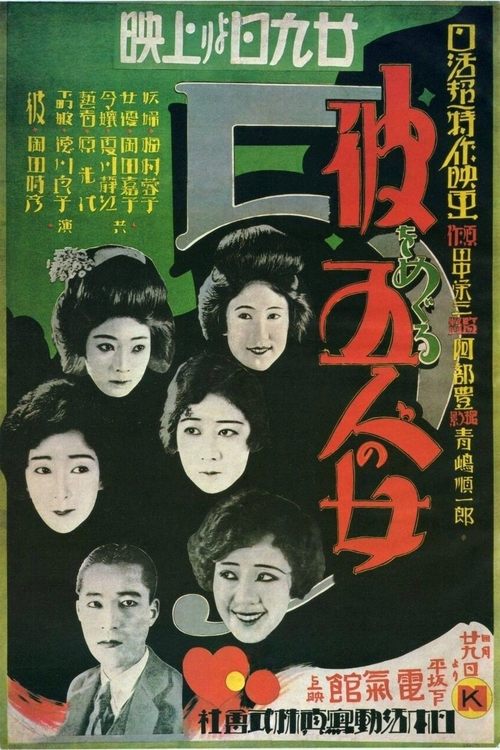 Five Women Around Him1927 · Screenplay, Original Story
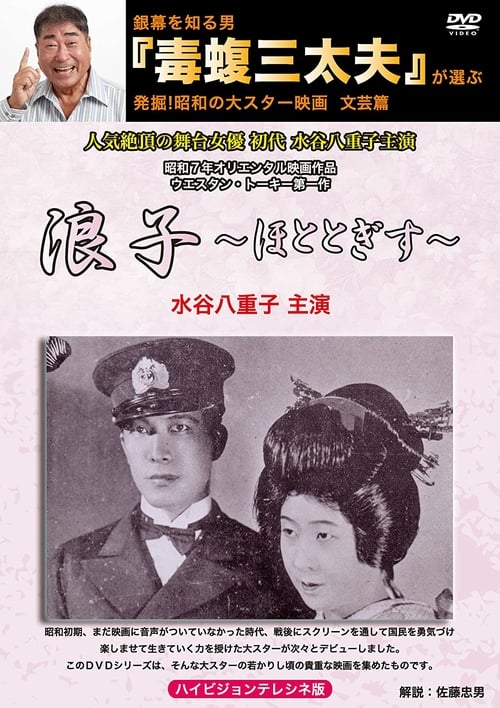 Namiko1932 · DirectorTThe Living Corpse1918 · DirectorWWoman in the Stream1921 · DirectorAAkatsuki1918 · DirectorTThe Lapel Shop1922 · Director, WriterSScent of the White Lily1921 · DirectorSSkull Dance1923 · Director, Screenplay