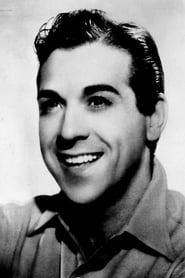
Luis Mariano
Luis Mariano Eusebio González García (13 August 1914 – 14 July 1970), also known as Luis Mariano, was a popular tenor of Spanish origin who achieved celebrity in 1946 with "La belle de Cadix" ("The Beautiful Lady of Cadix") an operetta b...
Biography
Luis Mariano Eusebio González García (13 August 1914 – 14 July 1970), also known as Luis Mariano, was a popular tenor of Spanish origin who achieved celebrity in 1946 with "La belle de Cadix" ("The Beautiful Lady of Cadix") an operetta by Francis Lopez. He appeared in the 1954 film Adventures of the Barber of Seville and Le Chanteur de Mexico (1957) and became popular in France as well as his native Spain. Luis Mariano was born in Irun, Spain on 13 August 1914, the son of a garagiste and taxi-driver and showed interest in singing as a child. His family moved to France at the start of the Spanish Civil War and settled in Bordeaux where he studied at the Conservatoire, and also sang in cabarets. Jeanne Lagiscarde, who was in charge of the classical department of a record store in Bordeaux, took Mariano under her wing, and gave up her job to nurture his talent in Paris. To earn a living, he sang in stage shows and appeared in films, starting with 'L'escalier sans fin' in 1943. That year he auditioned for the role of Ernesto in Don Pasquale, and sang in the opera at the Palais de Chaillot and later at the Théâtre des Variétés, with Vina Bovy, recording excerpts from the opera. He also left many recordings of popular song and operetta. He continued to appear in other films from 1946, including a singing role in Napoléon and a film adaptation of Lehar's Der Zarewitsch. In his encyclopedia Gänzl describes Mariano as a "svelte singing idol of French operetta of the post-war stage and screen". Mariano died in Paris in 1970. His music is featured prominently in the 1996 Belgian film Le huitième jour in which he is played by Laszlo Harmati during scenes employing magical realism. In 2014, French baritone David Serero recorded an album with Mariano classics performed in a Jazz version for the 100th anniversary of his birth: David Serero chante Luis Mariano – jazz version. Source: Article "Luis Mariano" from Wikipedia in English, licensed under CC-BY-SA 3.0.
Known for
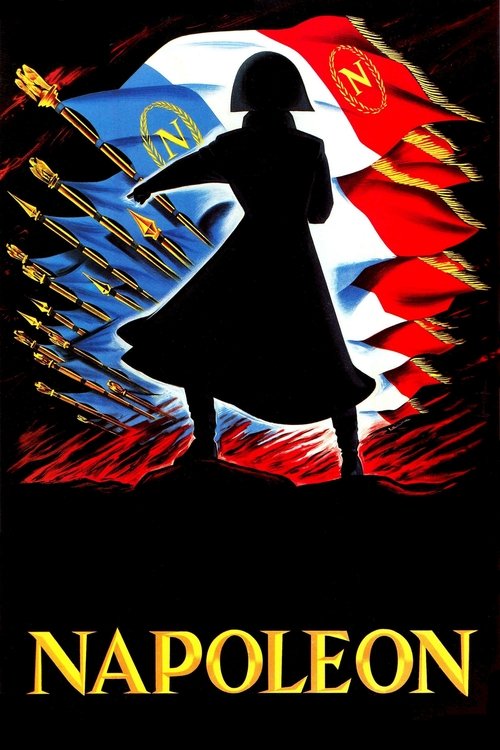 Napoleon1955 · Garat3.1
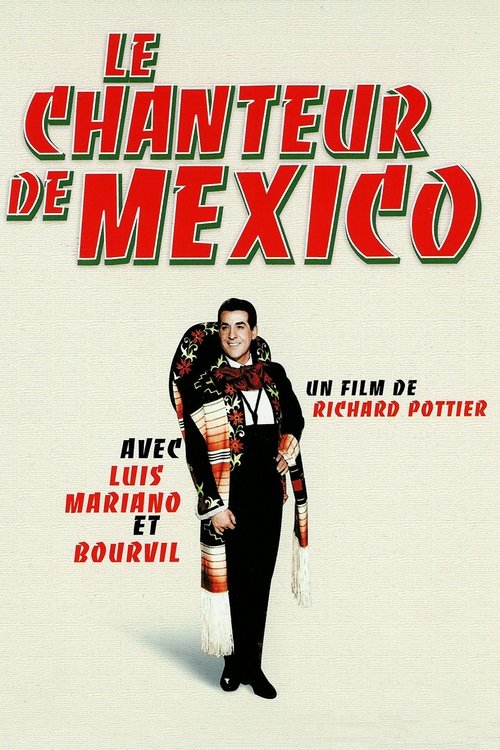 The Singer from Mexico1957 · Miguel Morano / Vincent Etchebar3.2
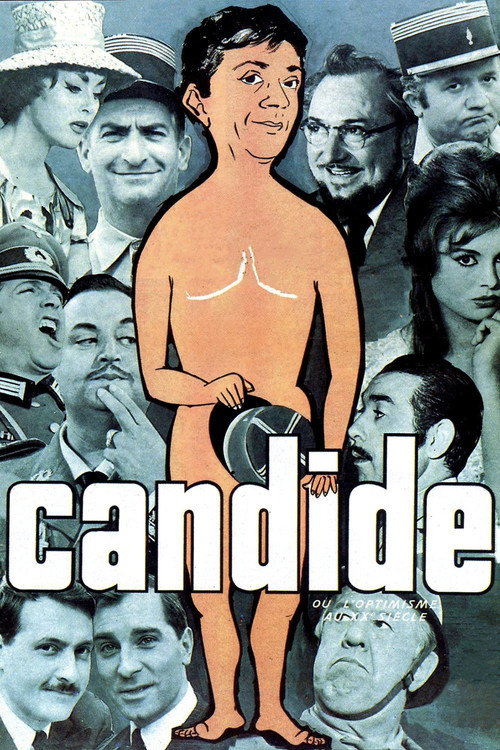 Candide or The Optimism in the 20th Century1960 · Un dictateur sud américain / South American Dictator3.2
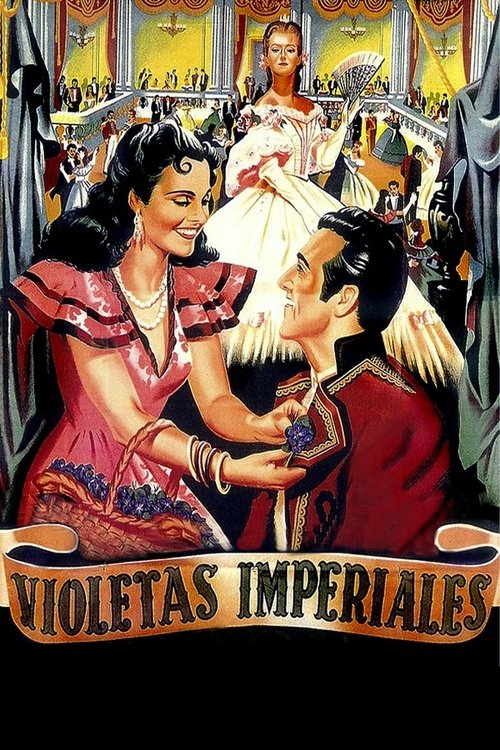 Imperial Violets1952 · Juan de Ayala2.9
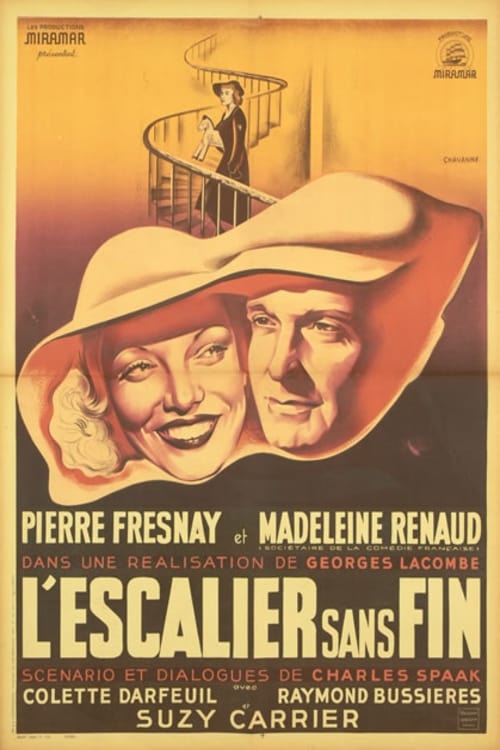 L'Escalier sans fin1943 · Singer4.5
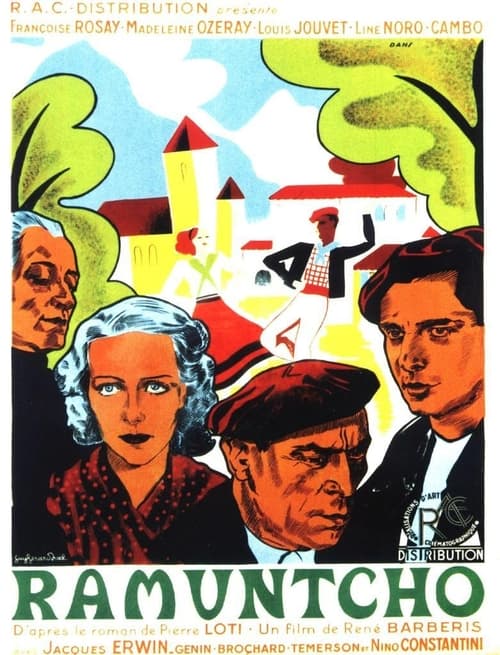 Ramuntcho1938 · (singing voice)4.5
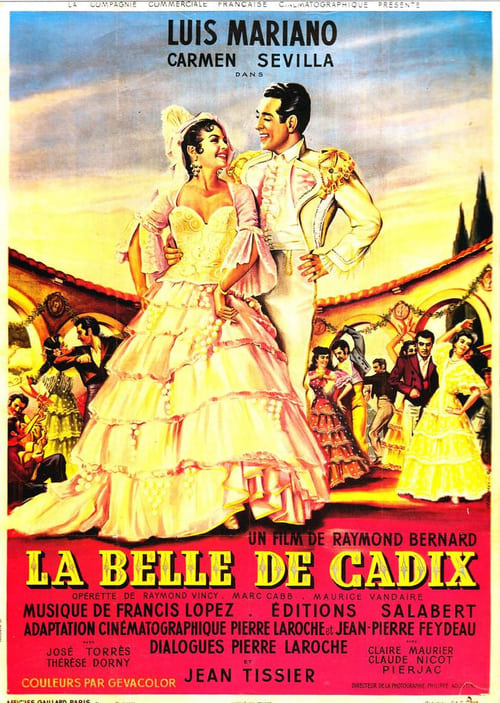 La belle de Cadix1953 · Carlos2.8
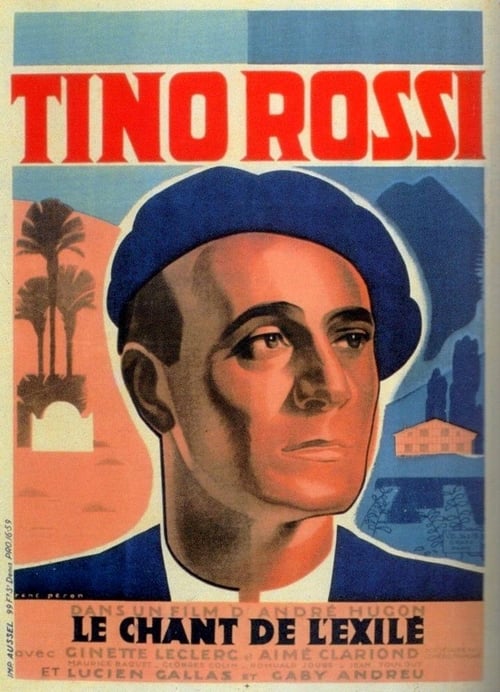 Le Chant de l'exilé1943 · un jeune Basque4.5
Cast credits
Napoleon1955 · Garat3.1The Singer from Mexico1957 · Miguel Morano / Vincent Etchebar3.2Candide or The Optimism in the 20th Century1960 · Un dictateur sud américain / South American Dictator3.2Imperial Violets1952 · Juan de Ayala2.9L'Escalier sans fin1943 · Singer4.5Ramuntcho1938 · (singing voice)4.5La belle de Cadix1953 · Carlos2.8Le Chant de l'exilé1943 · un jeune Basque4.5 Andalusia1951 · Juanito Var3.4
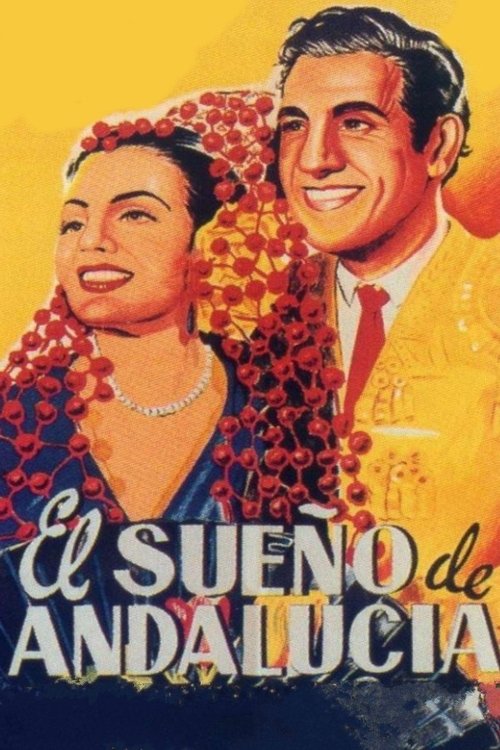 El sueño de Andalucía1951 · Juanito Var3.5
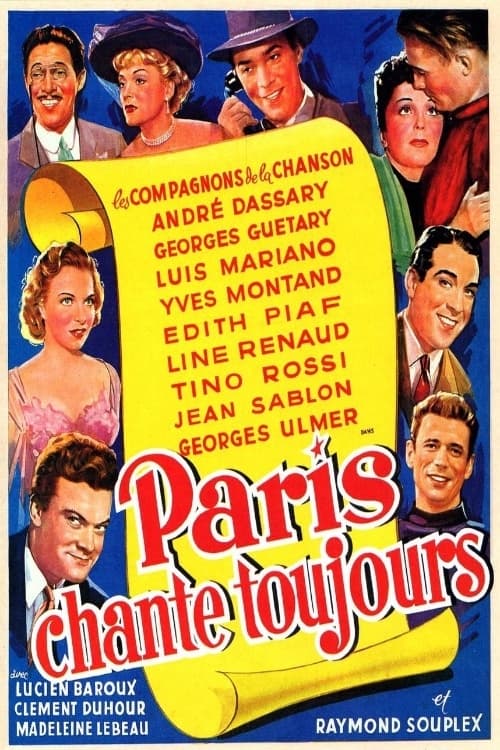 Paris Still Sings!1951 · Self4.0
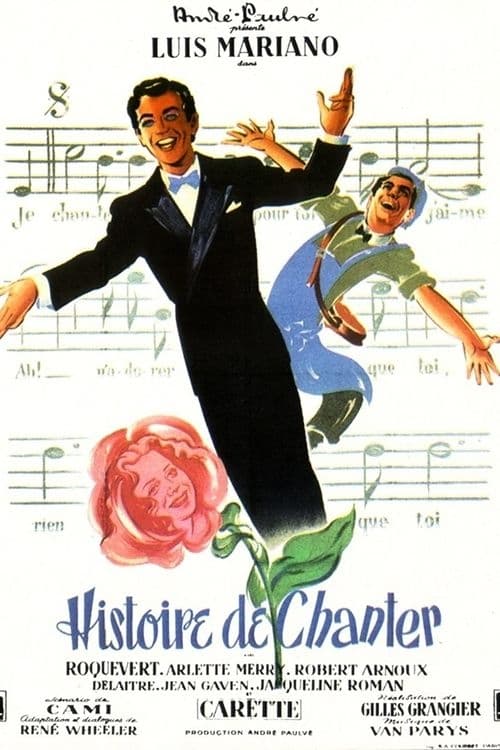 History of Singing1947 · Gino Fabretti4.0
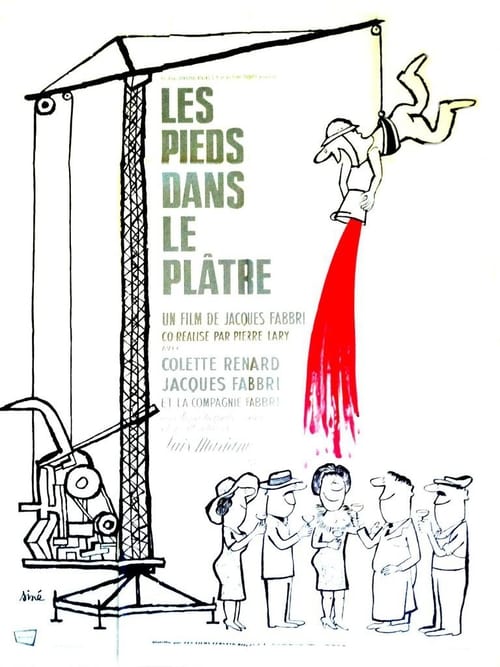 Les Pieds dans le plâtre1965 · The farmer4.0
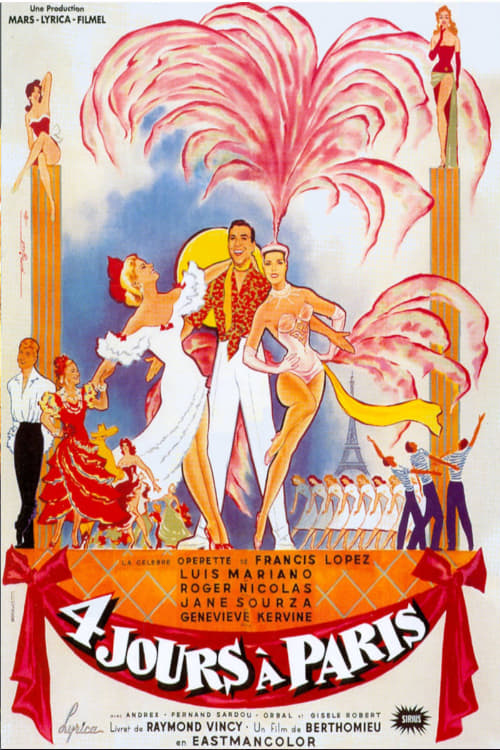 Four Days in Paris1955 · Mario3.1
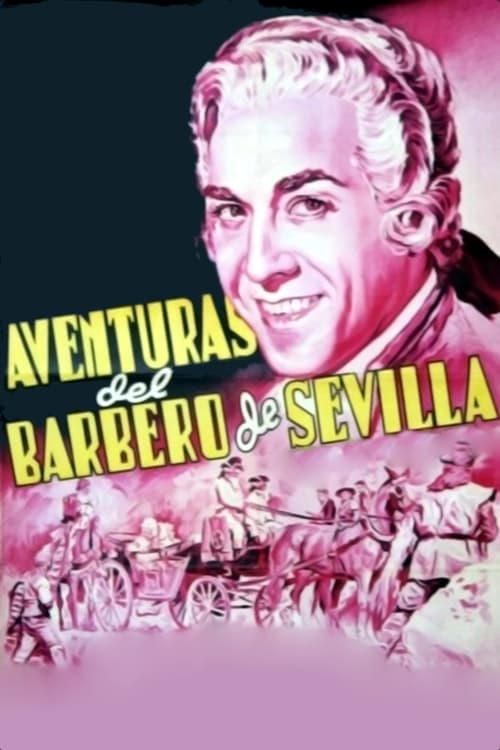 The Adventurer of Seville1954 · Fígaro3.1
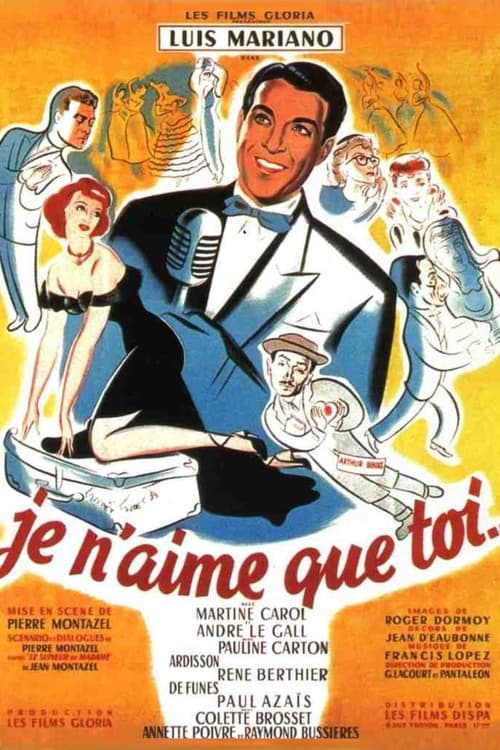 I Love Only You1949 · Don Renaldo2.8
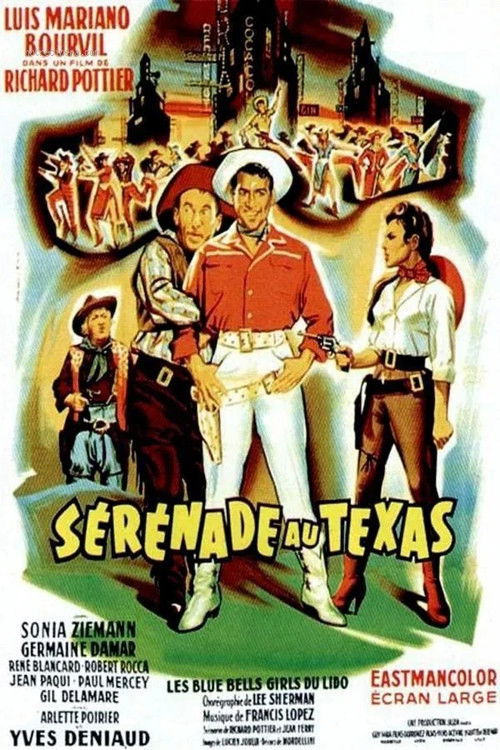 Serenade of Texas1958 · Jacques Gardel2.6
 Not Any Weekend for Our Love1950 · Franck Reno2.6